Key Takeaways
- Understanding e-e-a-t guide is essential for any modern SEO strategy in 2026.
- Focus on user intent and quality content rather than outdated optimization tricks.
- Use data-driven insights from tools like Rank Crown to identify opportunities and track progress.
- Consistent effort over 3-6 months yields the best long-term results for search visibility.
What Is E-E-A-T?
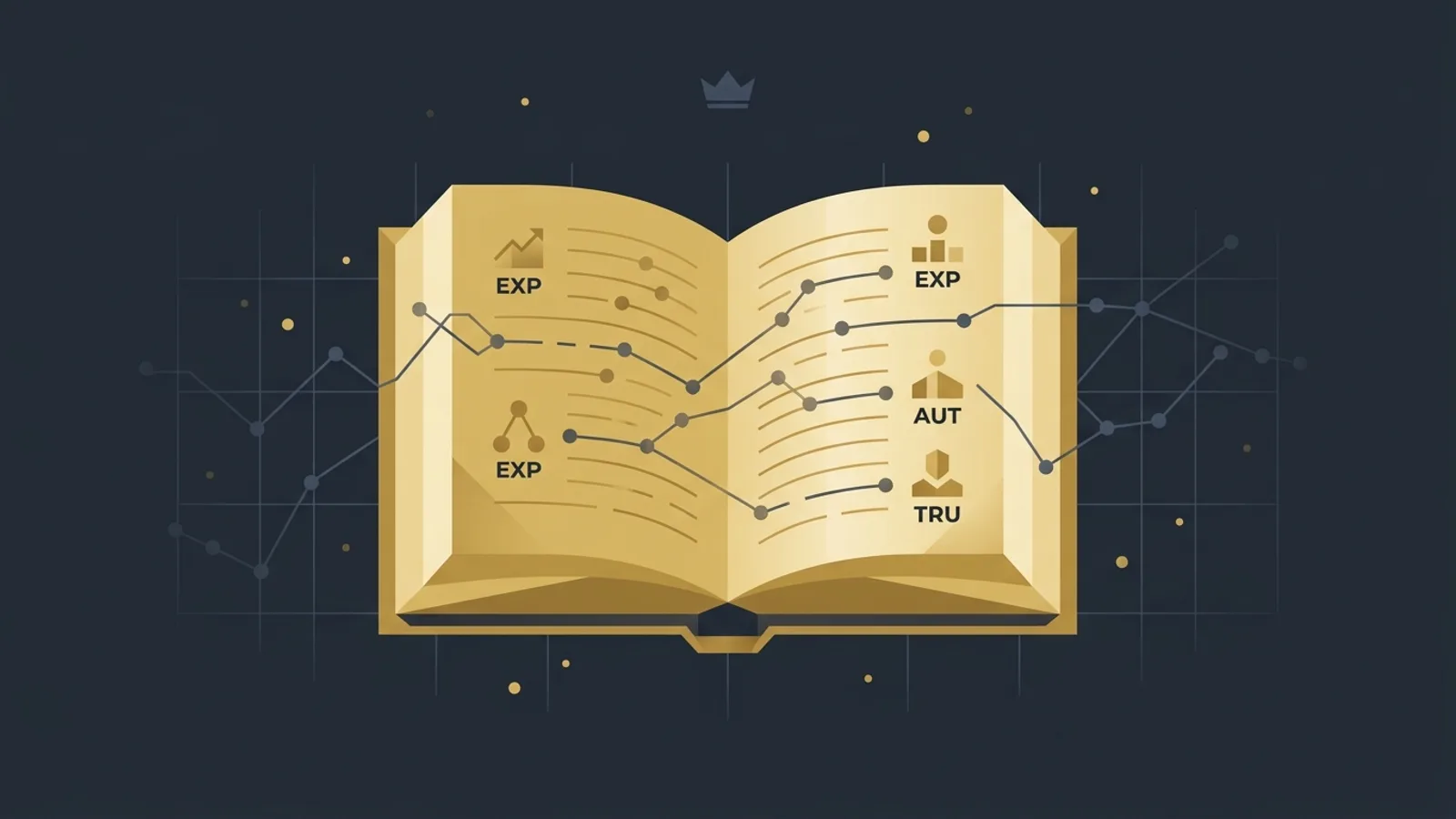
E-E-A-T stands for Experience, Expertise, Authoritativeness, and Trustworthiness. It is the framework Google's Search Quality Raters use to evaluate content quality. While E-E-A-T is not a direct ranking factor (there is no "E-E-A-T score"), it represents the qualities that Google's algorithms are designed to reward through hundreds of individual ranking signals. For background context, see the reference at Search Engine Optimization (Wikipedia).
Google added the first "E" (Experience) in December 2022, recognizing that first-hand experience with a topic adds unique value that expertise alone cannot provide. A product review from someone who actually used the product for 6 months is more valuable than one written by an expert who never touched it. This distinction matters significantly for content strategy.
E-E-A-T matters most for YMYL (Your Money Your Life) topics - content about health, finance, safety, and legal matters where incorrect information could harm users. However, Google applies E-E-A-T assessment to all content types, just with varying levels of scrutiny. Even a recipe blog benefits from demonstrating cooking experience and expertise.
Pro Tip: When working on what is e-e-a-t?, start with the highest-impact items first and track your progress over time to measure improvements.
Experience
The "Experience" component asks: has the content creator actually done the thing they are writing about? Google looks for signals of first-hand experience such as original photos, personal anecdotes, specific details that only come from real usage, and time-stamped evidence of actual engagement with the subject matter.
To demonstrate experience in your content, include personal stories, original screenshots, hands-on testing results, before-and-after comparisons, and specific details about your process. Instead of writing "this software is easy to use," share "I set up the dashboard in 15 minutes and created my first report using the drag-and-drop builder."
Experience is especially critical for product reviews, travel content, recipes, tutorials, and service reviews. Google's product review update specifically targets thin reviews that lack evidence of actual product usage. Include photos you took, results you measured, and honest pros and cons from your real experience.
Expertise
Expertise means the content creator has the necessary knowledge or skill in the topic. For YMYL topics, this often means formal credentials - a financial advisor writing about retirement planning, or a doctor writing about symptoms. For non-YMYL topics, demonstrated skill and deep knowledge suffice.
Build expertise signals by creating comprehensive author bios that include relevant credentials, years of experience, notable achievements, and links to other published work. Use structured data (Person schema) to connect your author pages to external profiles like LinkedIn, industry associations, and publication bylines.
Content depth is a proxy for expertise. Surface-level articles that define terms without providing actionable insight signal low expertise. Instead, go deep: share frameworks, provide specific numbers, explain the "why" behind recommendations, acknowledge nuances and edge cases, and reference industry research with proper citations. Use Rank Crown to track how your expert content performs versus generic content on the same topics.
Pro Tip: When working on expertise, start with the highest-impact items first and track your progress over time to measure improvements.

Trustworthiness
Trustworthiness is what Google calls the "most important member" of the E-E-A-T family. A page can have experience, expertise, and authority but still fail if users cannot trust the information. Trust is built through accuracy, transparency, and security.
Technical trust signals include HTTPS encryption, clear privacy policies, accessible contact information, and a physical business address. Content trust signals include citing sources, providing balanced viewpoints, disclosing conflicts of interest (like affiliate relationships), and correcting errors promptly when discovered.
Reviews and reputation significantly impact trustworthiness. A business with hundreds of positive reviews on Google, Trustpilot, and the BBB sends strong trust signals. Conversely, unresolved complaints, lawsuit mentions, or BBB warnings can devastate trustworthiness scores regardless of how good your content is.
Pro Tip: When working on trustworthiness, start with the highest-impact items first and track your progress over time to measure improvements.
Building E-E-A-T
Building E-E-A-T is a long-term strategy, not a one-time checklist. Start with an E-E-A-T audit: review your author bios, about page, contact page, privacy policy, and content quality. Identify gaps where you lack experience signals, expertise credentials, authority indicators, or trust elements.
Create detailed author pages for every content creator on your site. Include their photo, credentials, experience, areas of expertise, social profiles, and links to their published work. Use Person schema markup on these pages to help Google connect the author to their broader online presence and reputation.
Establish an editorial review process where subject-matter experts review and approve content before publication. Add "Reviewed by [Expert Name]" bylines with links to the reviewer's credentials. For YMYL content, this expert review layer can be the difference between ranking on page 1 and being buried. Track your E-E-A-T improvements with Rank Crown by monitoring YMYL keyword positions over time.

YMYL Pages
YMYL (Your Money Your Life) pages cover topics that could impact a person's health, financial stability, safety, or well-being. Google holds these pages to the highest E-E-A-T standards because misinformation in these areas can cause real harm. Medical advice, financial planning, legal guidance, and safety information all fall under YMYL.
For YMYL content, credentialed authors are essential. A health article should be written or reviewed by a medical professional, financial content by a certified financial planner, and legal content by a licensed attorney. Include their credentials prominently and link to verification sources like medical license lookups and bar association profiles.
Cite authoritative sources for every claim in YMYL content: government agencies (.gov), academic institutions (.edu), peer-reviewed research, and recognized industry organizations. Avoid making absolute claims and include appropriate disclaimers. Update YMYL content regularly to reflect current guidelines, regulations, and best practices.
Pro Tip: Audit your YMYL pages by asking: "Would I trust this content if I found it while making a critical health or financial decision?" If the answer is no, add expert review, source citations, and author credentials before publishing.
Frequently Asked Questions
Is E-E-A-T a direct Google ranking factor?
No, E-E-A-T is not a single ranking factor with a numerical score. It is a conceptual framework that describes qualities Google's algorithms are designed to reward through hundreds of individual signals. You cannot directly optimize for E-E-A-T but you can build the experience, expertise, authoritativeness, and trust signals that Google's systems evaluate.
How do I demonstrate Experience for E-E-A-T?
Include first-hand evidence in your content: original photos, personal anecdotes, specific usage details, testing results, and time-stamped experiences. For product reviews, show the product in your own environment. For tutorials, include your own screenshots. The key is providing details that only someone with real experience would know.
Does E-E-A-T matter for non-YMYL content?
Yes, but with less scrutiny. Google applies E-E-A-T evaluation to all content, but YMYL topics face the strictest standards. Even for entertainment or hobby content, demonstrating genuine experience and expertise helps you rank above generic, mass-produced content. Higher E-E-A-T signals improve ranking potential in any niche.
What is the most important part of E-E-A-T?
Google considers Trustworthiness the most important component. A page can have expertise and authority but fail if users cannot trust the information. Build trust through accurate information, cited sources, transparent disclosures, HTTPS security, clear contact information, and a positive online reputation.
Related Resources
SEO Tool Comparison at a Glance
Choosing the right toolkit depends on your budget and the part of SEO you optimize most often. The table below summarizes how Rank Crown compares to the main alternatives covered across our resources.
| Tool | Starting Price | Free Plan | Best For |
|---|---|---|---|
| Rank Crown | $39/mo | Yes | Focused rank tracking + audits without bloat |
| Ahrefs | $129/mo | Limited | Backlink intelligence and large databases |
| Semrush | $139.95/mo | Limited | All-in-one for agencies combining SEO and PPC |
| Moz Pro | $99/mo | Limited | Beginner-friendly metrics like Domain Authority |
| SE Ranking | $65/mo | No | Budget-friendly tracking with white-label reports |
| Mangools | $29.90/mo | No | Lean keyword research workflow |
Prices verified 2026-05-20 from each vendor's public pricing page. Annual billing typically discounts these figures further.
Ready to Improve Your SEO?
Try Rank Crown's SEO tools to analyze, track, and optimize your website's search performance.
Start Free Trial