Key Takeaways
- Understanding internal linking strategy is essential for any modern SEO strategy in 2026.
- Focus on user intent and quality content rather than outdated optimization tricks.
- Use data-driven insights from tools like Rank Crown to identify opportunities and track progress.
- Consistent effort over 3-6 months yields the best long-term results for search visibility.
Why Internal Linking Matters
Internal links are hyperlinks connecting one page on your website to another page on the same domain. They serve three critical functions: helping search engines discover and crawl your content, distributing link equity (ranking power) across your pages, and guiding users to related information that keeps them engaged on your site. For background context, see the reference at Search Engine Optimization (Wikipedia).
Google uses internal links to understand your site's hierarchy and the relative importance of each page. Pages with more internal links pointing to them are interpreted as more important. Adding 3-5 contextual internal links from high-authority pages to a target page can improve its rankings within 2-4 weeks. Use Rank Crown's site audit to identify your highest-authority pages and create strategic links from them to pages you want to rank higher.
Pro Tip: Run a crawl of your site with Screaming Frog or Rank Crown and sort pages by internal link count. Pages with fewer than 3 internal links are your biggest quick-win opportunities for internal linking improvements.

Link Architecture
Effective internal link architecture follows a pyramid structure: your homepage sits at the top, category/hub pages in the middle, and individual content pages at the base. Every page should be reachable within 3 clicks from the homepage — this ensures both users and Googlebot can access all content efficiently.
Use your navigation menu to link to important category pages. Then use contextual links within your content to connect related articles. Breadcrumb navigation creates automatic hierarchical links that help Google understand your content taxonomy. Avoid creating dead-end pages with no outgoing internal links or orphan pages that receive no internal links at all.
Anchor Text Strategy
Unlike external links where exact-match anchors can trigger penalties, internal link anchor text should be descriptive and keyword-rich. Google uses internal anchor text as a strong signal for understanding what the linked page is about. Avoid generic anchors like "click here" or "read more" — instead, use phrases like "our complete guide to keyword research" or "learn about technical SEO auditing."
Vary your internal anchor text slightly across different pages to appear natural, but keep them topically consistent. For example, link to your keyword research guide using anchors like "keyword research process," "how to do keyword research," and "finding the right keywords" from different articles on your site.
Pro Tip: Use Rank Crown's internal link report to identify pages where your target keywords appear in the body text but are not yet linked. These are natural internal linking opportunities you can implement in minutes.

Hub & Spoke Model
The hub-and-spoke (or pillar-cluster) model is the most effective internal linking architecture for building topical authority. A hub page is a comprehensive guide covering a broad topic (e.g., "Complete Guide to Link Building"), while spoke pages are detailed articles on specific subtopics (e.g., "Guest Posting Guide," "Broken Link Building").
Each spoke page links back to the hub and to 2-3 other related spokes. The hub links to every spoke. This creates a tightly interconnected cluster that signals to Google that your site comprehensively covers the topic. Plan your clusters using keyword research in Rank Crown — group related keywords by topic, identify the broadest term as your hub, and use specific long-tail variations as spokes.
Automation Tools
Several tools can automate internal linking. WordPress plugins like Link Whisper and Internal Link Juicer scan your content and suggest relevant internal links based on keyword matching. For programmatic sites, implement automatic "Related Posts" sections using topic tags or categories to surface contextually relevant content.
Rank Crown's site audit tool identifies internal linking opportunities by analyzing your content and flagging pages that could benefit from additional links. Screaming Frog can export all internal links and sort by "Unique Inlinks" to find under-linked pages — prioritize adding contextual links to pages with fewer than 5 internal links.
Pro Tip: Automate your internal linking audit by scheduling a monthly Screaming Frog crawl. Export internal link data, filter for pages with fewer than 3 inlinks, and batch-add contextual links from your strongest content.
Auditing Links
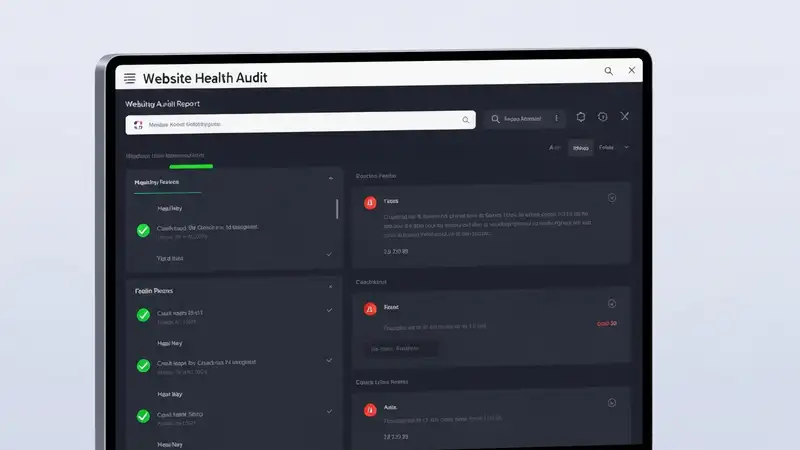
Conduct an internal link audit quarterly using Rank Crown's site audit or Screaming Frog. Key metrics to examine include: orphan pages (zero internal links), pages with excessive outgoing links (100+), broken internal links (404 errors), and redirect chains within internal links.
Fix broken internal links immediately — they waste crawl budget and create poor user experience. Update internal links pointing to redirected URLs so they point directly to the final destination. Create an audit checklist: check for orphan pages, verify key pages are within 3 clicks of the homepage, ensure anchor text is descriptive, and confirm your most important pages receive the most internal links.
Frequently Asked Questions
What is the main focus of Internal Linking Strategy?
Internal linking connects pages within your website to distribute link equity, help Google discover content, and guide users. A strategic approach can significantly boost underperforming pages by channeling authority from your strongest pages to those that need a ranking boost.
How long does it take to see results?
Internal linking changes can show results within 2-4 weeks as Google recrawls your pages. Adding contextual links from high-authority pages to target pages is one of the fastest SEO wins available, often producing measurable ranking improvements in under a month.
How many internal links should each page have?
Each page should have at least 3-5 contextual internal links to related content, plus navigation links. Your most important pages should receive 10+ internal links from across the site. Avoid exceeding 100 total links per page as this dilutes the equity passed through each link.
What is the hub-and-spoke linking model?
The hub-and-spoke model creates a pillar page (hub) that covers a broad topic comprehensively, linked to multiple detailed articles (spokes) on specific subtopics. Each spoke links back to the hub and to related spokes. This architecture builds topical authority and signals to Google that your site is an expert resource on the topic.
Related Resources
SEO Tool Comparison at a Glance
Choosing the right toolkit depends on your budget and the part of SEO you optimize most often. The table below summarizes how Rank Crown compares to the main alternatives covered across our resources.
| Tool | Starting Price | Free Plan | Best For |
|---|---|---|---|
| Rank Crown | $39/mo | Yes | Focused rank tracking + audits without bloat |
| Ahrefs | $129/mo | Limited | Backlink intelligence and large databases |
| Semrush | $139.95/mo | Limited | All-in-one for agencies combining SEO and PPC |
| Moz Pro | $99/mo | Limited | Beginner-friendly metrics like Domain Authority |
| SE Ranking | $65/mo | No | Budget-friendly tracking with white-label reports |
| Mangools | $29.90/mo | No | Lean keyword research workflow |
Prices verified 2026-05-20 from each vendor's public pricing page. Annual billing typically discounts these figures further.
Ready to Improve Your SEO?
Try Rank Crown's SEO tools to analyze, track, and optimize your website's search performance.
Start Free Trial