Key Takeaways
- Understanding image seo is essential for any modern SEO strategy in 2026.
- Focus on user intent and quality content rather than outdated optimization tricks.
- Use data-driven insights from tools like Rank Crown to identify opportunities and track progress.
- Consistent effort over 3-6 months yields the best long-term results for search visibility.
Why Image SEO Matters
Why Image SEO Matters is a critical component of any successful SEO strategy. When it comes to image seo, understanding the fundamentals gives you a strong foundation to build upon. Search engines evaluate hundreds of factors when ranking content, and this area directly influences how well your pages perform in search results. By mastering these concepts, you can create a competitive advantage that drives sustainable organic growth for your website or business. For background context, see the reference at Search Engine Optimization (Wikipedia).
Pro Tip: When working on why image seo matters, start with the highest-impact items first and track your progress over time to measure improvements.

Alt Text Best Practices
Implementing alt text best practices effectively requires a systematic approach. Start by auditing your current setup to identify gaps and opportunities. Then prioritize changes based on potential impact - focus on quick wins first while planning longer-term improvements. The most successful SEO practitioners combine technical expertise with creative problem-solving, testing different approaches and measuring results to continuously refine their strategy.
File Naming & Format
When optimizing for file naming & format, avoid common pitfalls that can waste time and resources. Many websites make the mistake of following outdated advice or copying competitor strategies without understanding the underlying principles. Instead, focus on first-party data from Google Search Console and analytics tools. Test changes methodically, document what works, and build repeatable processes that scale as your site grows.
Pro Tip: When working on file naming & format, start with the highest-impact items first and track your progress over time to measure improvements.
Compression & Performance
Advanced practitioners take compression & performance further by leveraging automation, custom tools, and data analysis. Consider using APIs and scripts to monitor changes at scale, set up automated alerts for potential issues, and create dashboards that give stakeholders clear visibility into performance trends. The key is building systems that catch problems early and surface opportunities before your competitors find them.

Lazy Loading
The landscape of lazy loading continues to evolve as search engines become more sophisticated. Stay current with industry changes by following official Google announcements, testing new features early, and participating in SEO communities where practitioners share insights. What works today may need adjustment tomorrow, so build flexibility into your strategy and be prepared to adapt.
Pro Tip: When working on lazy loading, start with the highest-impact items first and track your progress over time to measure improvements.
Image Sitemaps
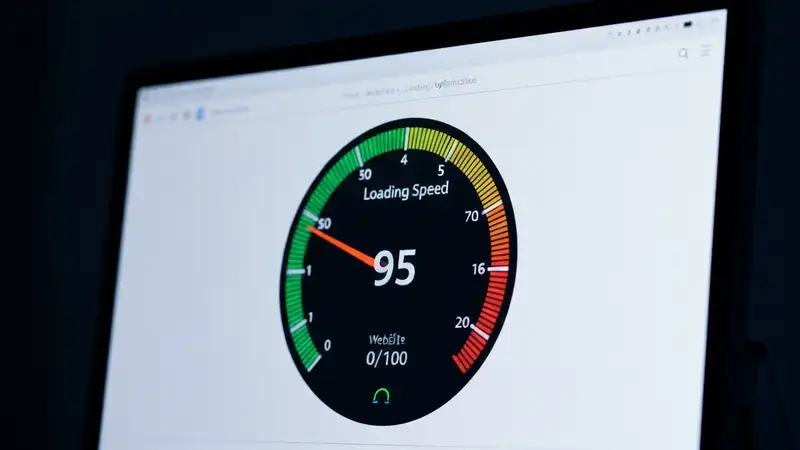
Measuring the success of your image sitemaps efforts is crucial for demonstrating ROI and securing continued investment. Track both leading indicators (crawl stats, indexation rates, ranking positions) and lagging indicators (organic traffic, conversions, revenue). Create regular reports that tell a clear story about progress, challenges, and next steps to keep stakeholders informed and aligned.
Ranking in Google Images
To get the most from ranking in google images, integrate it with your broader marketing strategy. SEO doesn't exist in isolation - it works best when combined with content marketing, social media, email campaigns, and paid advertising. Cross-functional collaboration helps identify synergies, share insights, and create a unified approach that maximizes your overall digital presence.
Pro Tip: When working on ranking in google images, start with the highest-impact items first and track your progress over time to measure improvements.
Frequently Asked Questions
Does alt text help SEO?
Yes. Alt text helps Google understand image content, improves accessibility, and can help pages rank in Google Image Search. Write descriptive, keyword-relevant alt text.
What image format is best for SEO?
WebP offers the best balance of quality and file size. Use WebP as primary with JPEG/PNG fallbacks. AVIF is newer but browser support is growing.
How much do images affect page speed?
Images typically account for 50-70% of a page's total weight. Proper optimization (compression, sizing, lazy loading) can dramatically improve Core Web Vitals scores.
Should I use an image sitemap?
Yes, especially for image-heavy sites. Image sitemaps help Google discover images that might not be found through regular crawling, improving Image Search visibility.
Related Resources
SEO Tool Comparison at a Glance
Choosing the right toolkit depends on your budget and the part of SEO you optimize most often. The table below summarizes how Rank Crown compares to the main alternatives covered across our resources.
| Tool | Starting Price | Free Plan | Best For |
|---|---|---|---|
| Rank Crown | $39/mo | Yes | Focused rank tracking + audits without bloat |
| Ahrefs | $129/mo | Limited | Backlink intelligence and large databases |
| Semrush | $139.95/mo | Limited | All-in-one for agencies combining SEO and PPC |
| Moz Pro | $99/mo | Limited | Beginner-friendly metrics like Domain Authority |
| SE Ranking | $65/mo | No | Budget-friendly tracking with white-label reports |
| Mangools | $29.90/mo | No | Lean keyword research workflow |
Prices verified 2026-05-20 from each vendor's public pricing page. Annual billing typically discounts these figures further.
Ready to Improve Your SEO?
Try Rank Crown's SEO tools to analyze, track, and optimize your website's search performance.
Start Free Trial